Home Milestones & Updates Why Nashik? The Sacred Geography Behind Punyabhoomi
The Punyabhoomi Journal
Why Nashik? The Sacred Geography Behind Punyabhoomi
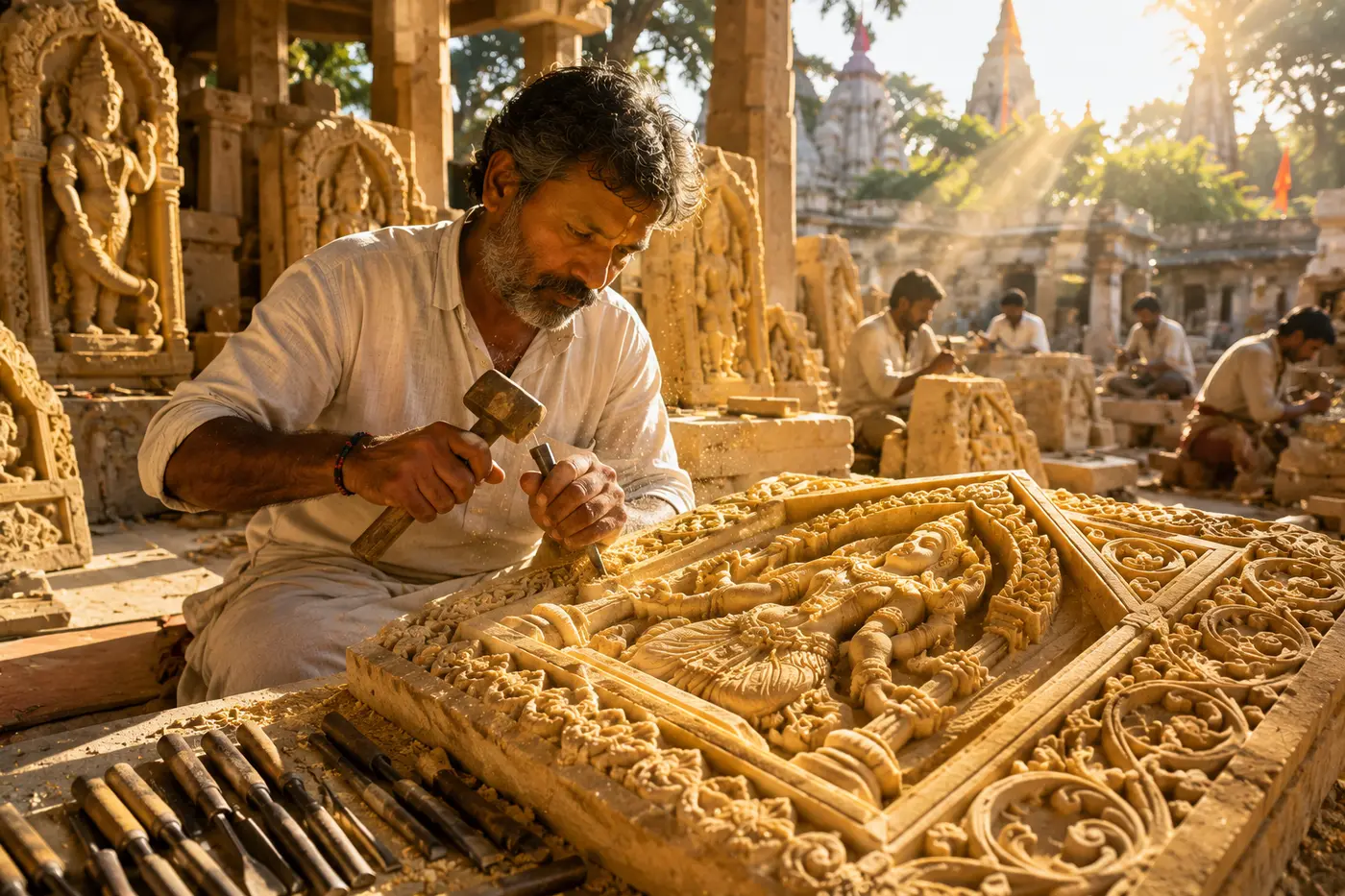
Panchavati, the Godavari and the Kumbh Mela — why the 500-acre Punyabhoomi vision belongs to Nashik and nowhere else.

Some places do not need to be made sacred — they already are. Nashik is one of them. When the vision of Punyabhoomi took shape, the question was never which city could host a 500-acre spiritual destination. It was which land already carried the story that such a destination should continue. The answer was always Nashik.
The land of Panchavati
On the banks of the Godavari lies Panchavati, where tradition holds that Shri Ram, Sita Mata and Lakshman spent years of their vanvas. The Kalaram Mandir, Sita Gufa and the ghats of the Godavari have drawn pilgrims for centuries. Every stone here has been walked by generations of devotees long before us.
The river and the Kumbh
Nashik is one of only four cities on earth to host the Kumbh Mela, the largest gathering of faith humanity knows. Once every twelve years, the Godavari at Nashik becomes the centre of the devotional world — and the city has learned, over centuries, how to welcome the world with open arms.
It is on this consecrated ground that Punyabhoomi is being envisioned: not to replace what Nashik already is, but to add to it — a masterplanned destination where temples, culture, wellness and nature can be experienced together, built to the standards today’s pilgrims deserve.
Connected, yet serene
Nashik sits on the Mumbai–Agra national highway, with rail links across India and airports at Ozar and Mumbai. Reaching the future Punyabhoomi will be the easy part of the journey — arriving at peace is the part we are designing for.
Punyabhoomi is a visionary destination currently under development in Nashik. It is not yet open to visitors, and no bookings or payments are taken. To receive milestone announcements, sign up on our website or write to seva@punyabhoomi.org.